Think of the Internet as a huge city with billions of buildings (websites). If a detective wants to know the most influential or trustworthy person (the best website), then, for sure, they will not fall into the sparkling walls. But they listen to people and gauge who they are talking about the most. We’ll know the more you are talked about, the more you will be approached. In this digital world of the internet, these roads are the links.
A Backlink: A Digital Vote
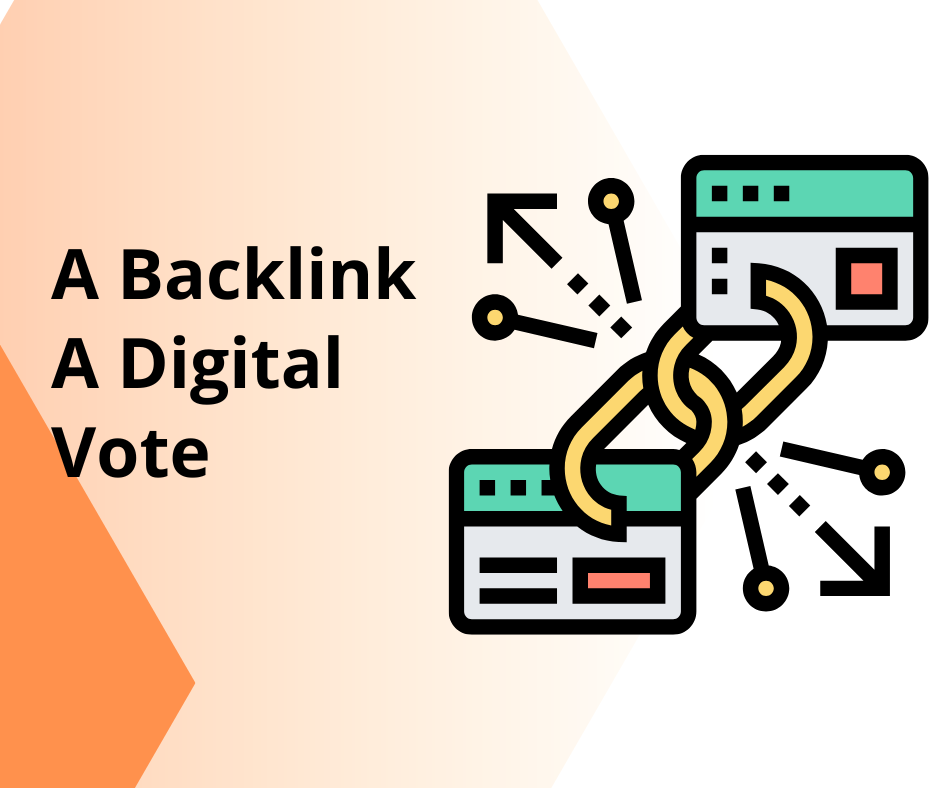
Search engine algorithms work just like this detective. When we type something in the search bar, the search engine doesn’t just read what is written on a website’s pages. They deeply analyze what the rest of the internet is saying about that website. It’s a digital vote where every link holds the importance of a vote.
When one website includes a link to another website on its page, it is called a backlink. We have to understand how this whole game of authority or power in the world of websites actually works. We will specifically understand the workings of dofollow backlinks and nofollow backlinks.
Work of Crawlers in Backlinks
After direct traffic, the second and most important thing is crawlers. Crawlers are actually search engine software programs, or bots, a kind of digital spider. Its sole job is to scour internet pages 24/7 and map them.
Important: While a human sees colors, design, and pictures on a website, when a crawler comes to that same website, it’s essentially blind to the design. It only reads the raw HTML code of the website.
When it finds a backlink in that code, it follows that link to the next website. A crawler’s journey isn’t just going from one page to another. It’s a serious process of transferring the trust and reputation of the first website to the second website. It is like giving a guarantee or endorsing someone in real life.
Imagine a very respected person in a city publicly praising a completely new and unknown person, saying, “This person is very honest. I guarantee him.”
So search engine crawlers weigh these digital recommendations exactly like this. And the most interesting thing here is that to measure this digital guarantee or trust, search engines use a very solid metric.
Functioning of a Crawler for a Link
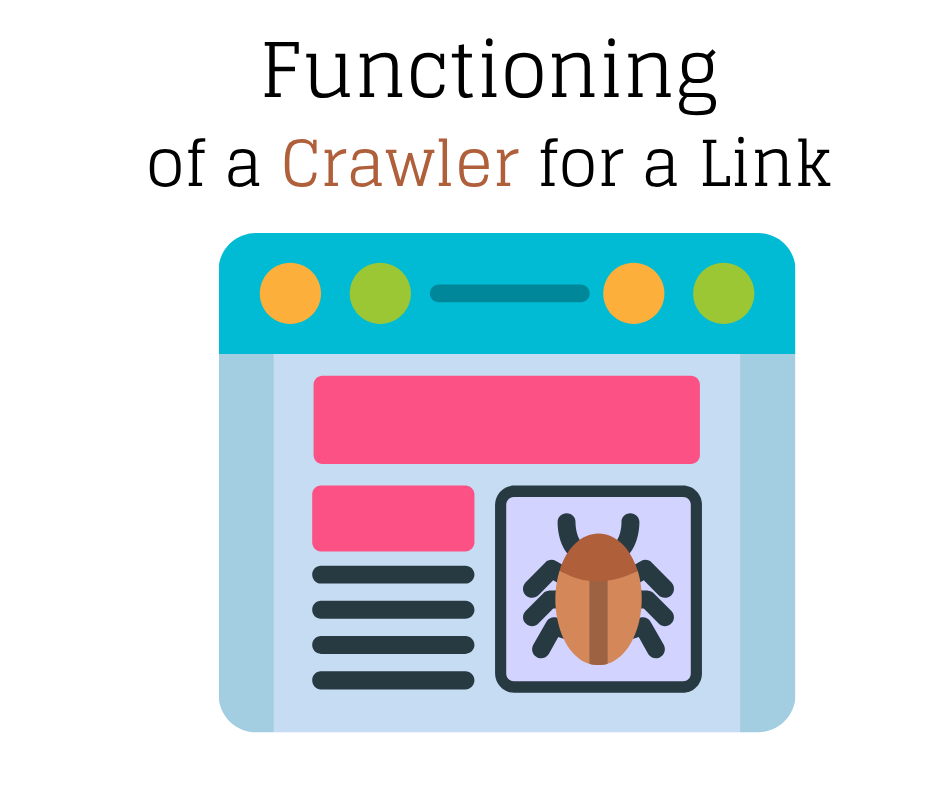
A crawler travels to another website via a link, it transfers a significant part of the first website’s authority into the second website’s bag. In the world of digital marketing or SEO, this transferred power is referred to as link juice.
But if we look at the basic structure of the internet, the World Wide Web was born to connect things, called hyperlinking.
If information isn’t connected, the internet will have no existence. It would just become a deserted group of isolated islands. Therefore, websites have to link to each other. But to remove this fear of unintentionally losing authority and to stop spam, a technical control was invented. Under this control system, do-follow and no-follow tags came into existence.
By default, any link on the internet is do-follow. If nothing is done, it’s do-follow backlinks. This simply means that if a standard link is included in a website’s HTML code without any additional coding, then the search engine crawler will follow that link, and Link Juice will flow to the other site without any hindrance.
Do-Follow Backlinks for High-Authority Websites
The best SEO services focus on relevant, authoritative do-follow links—not spam. Do-follow links should always be given to high-authority websites.
Such as?
The best examples are large, established, and globally recognized authentic websites like Wikipedia or Britannica. Furthermore, if someone has used original content, research data, or images from another website in their article, they should honestly give a do-follow backlink to give credit.
Who Should Give a Link to Whom?
Suppose there is a small blogger who has just started their website. Why would they give a do-follow link to a giant site like Wikipedia?
Wikipedia doesn’t need that small blogger’s Link Juice at all. Isn’t that blogger unnecessarily wasting whatever little authority they have?
Linking to established sites like Wikipedia doesn’t just benefit the site that receives the link. The biggest benefit goes to the linking website itself. Linking to high-quality sources also raises the linking website’s own credibility and level of authority in the eyes of crawlers.
When search engine crawlers read the code of a small blog and see a do-follow backlink reference to Wikipedia or a major university’s research, the signal sent to crawlers is that whatever information is written on that blog isn’t just made up. That blogger has done proper research and relied on the world’s most authentic sources.
When to Use No-Follow Links?
The “no-follow” tag was invented specifically in the early 2000s because the internet was flooded with spam. People started using automated software to go into the comment sections of blogs worldwide and leave links to their low-quality websites or fake products. So, any unknown, irrelevant, or spammy website on the internet should always be given a “no-follow” link.
If a do-follow link is accidentally given to such spam websites, the linking website is unknowingly telling the search engine that it fully supports a spam website, which can ruin that website’s own authority. The trust score built over so many years can go into the negative and can be blacklisted forever.
This is why it’s most important to know where to spend your website’s precious Link Juice and where to save it by building a no-follow wall. But every website owner’s ultimate goal is to increase their own website’s authority and get as many do-follow links from others as possible.
Important: There are no shortcuts in this process. There is only one best, safest, and permanent way. Provide high-quality, deep, and original information on your website, and it gets eligible to get a do-follow link by referencing it in their articles.
What is the Golden Ratio of Backlinks?
According to it, when backlinks are made for or received by a website, 60 to 70% of total links should be do-follow. But the remaining 30 to 40% of links should be no-follow.
If only do-follow backlinks provide real authority and Link Juice, why would any website owner not want 100% do-follow links? Why would anyone deliberately want 30 to 40% of links from which they get no authority?
But behind this Golden Ratio, a very deep and complex psychology of search engine algorithms works. Today, search engines don’t just work on set rules; they have learned to mimic human behavior and natural growth.
No more hurley-burly days. No need to worry about the technicalities when you have the best link building service providers like Digital Brains Tech.
What is Unnatural Link Velocity?
If search engine crawlers see that 100% of links coming to a new website are do-follow, this seems very strange, unnatural, and fake to the algorithm.
In the real world, nothing is ever so perfect or 100% correct.
When information spreads naturally and organically on the internet, many people give it a do-follow link on their websites. But at the same time, that information is also shared on social media platforms, public forums like Reddit or Quora, or some blogs with very strict rules. People share links there, too. Technically, all these platforms give “no-follow” links by default.
This is a natural balance of the internet. Now, there is a very serious penalty called “Unnatural Link Velocity.”
Suppose a website gets 1,000 backlinks overnight, and all 100% are do-follow. The search engine algorithm immediately raises a red flag. It understands that these links were not earned gradually and naturally. The algorithm suspects that the website owner paid a digital marketing agency to buy these links, which is strictly against search engine rules.
What’s next? Then the algorithm either puts that website’s ranking into manual review or completely removes it from search results.
So, in the digital world, looking too perfect often becomes the biggest cause for suspicion. The 60 to 70% Golden Ratio proves that to look organic, real, and trustworthy. Backlinks aren’t just blue words you click. They run the entire internet economy from behind the scenes, which we can call the “Economy of Trust.”
Final Thoughts
The concept of Link Juice, the transfer of authority via hyperlinks, is the digital currency and core algorithm that dictates search engine importance.
However, a problem arises: established websites continuously link to each other, creating a self-reinforcing circle of authority that keeps them at the top. This raises a critical question: What happens to brilliant new ideas and nascent websites with zero link juice?
The internet’s architecture, built on trust and backlinks, may unintentionally stifle new voices and talent. Does this system merely serve to make the already powerful even more so? This architectural riddle demands critical attention, as every click tells a story that needs decoding. Professional SEO services use do-follow links to improve domain authority and search rankings. So, if you are looking forward to one of the best digital marketing agencies, then contact Digital Brains Tech at inquiry@digitalbrainstech.com.